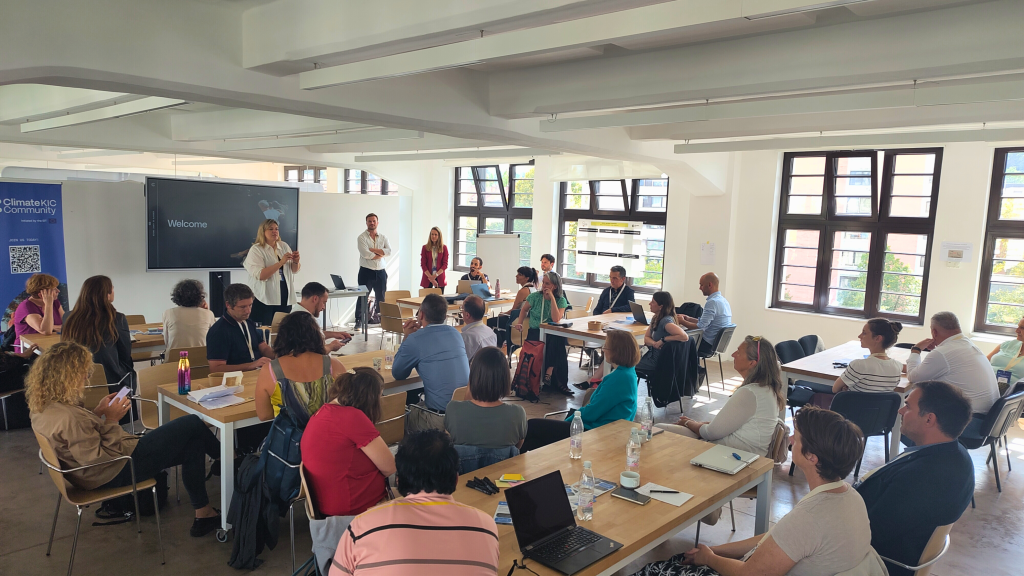
On 11 September, as part of the Circular Economy Hotspot Conference in Ljubljana, Climate KIC hosted a Community CoLab titled ‘Beyond the legacy of the Deep Demonstration in Slovenia’.
The event brought together around 45 participants, a mix of Slovenian stakeholders involved in the Deep Demonstration (DD) project, new voices, and also international guests.
This moment was an opportunity to celebrate some of the achievements of the DD over the last four years to progress towards a circular economy in Slovenia. The Climate KIC team shared some of the key outcomes, such as the establishment of a Policy Lab, but also challenges and learnings about adopting a portfolio approach for innovation and how to move from design to action.
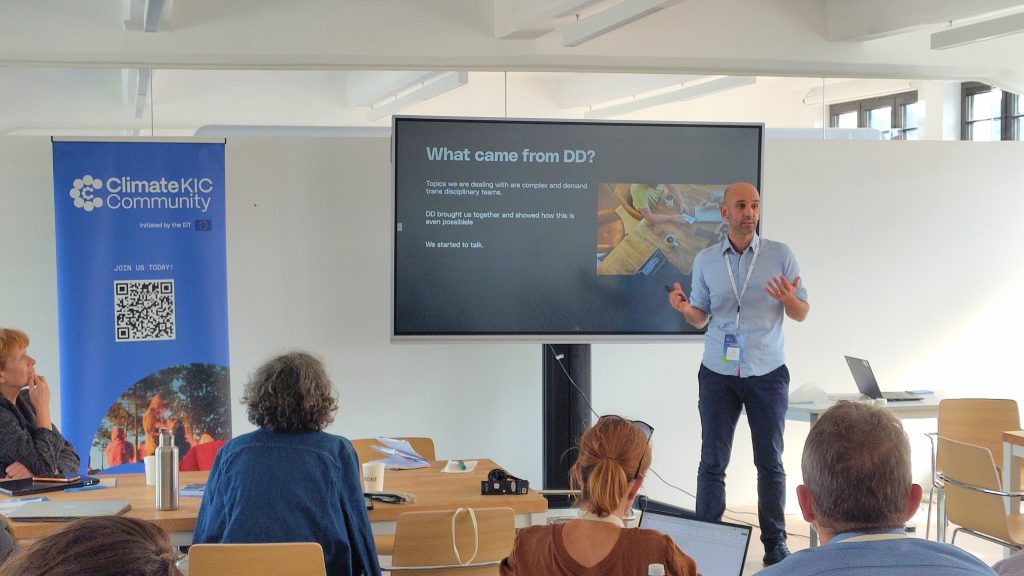
Five testimonies also took place from a mix of representatives who took part in the Deep Demonstration, gathering views from start-ups, research institutes, public administration, and implementation agencies on what impact the DD created for their business or organisation. Key highlights included:
- Enhanced collaboration across varied stakeholders at the national level to move towards circularity
- Cross-ministerial collaboration on policy challenges
- Enhanced credibility for start-ups having engaged in climate impact assessment
- Added value of developing evaluation criteria for SMEs’ circularity performance, leading to governmental financial instruments integrating sustainability.
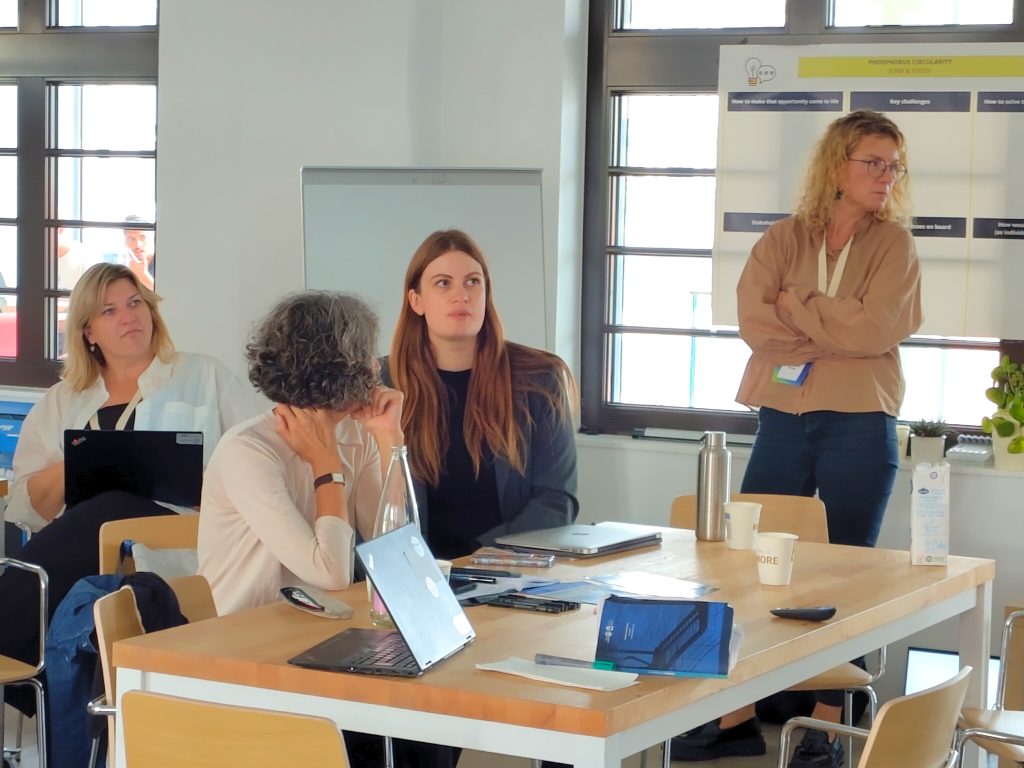
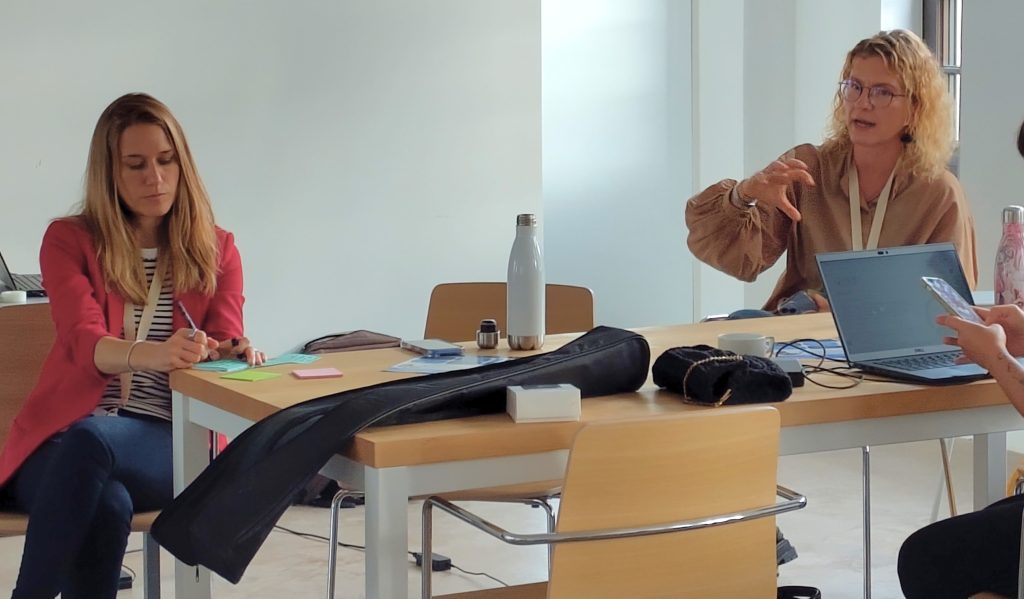
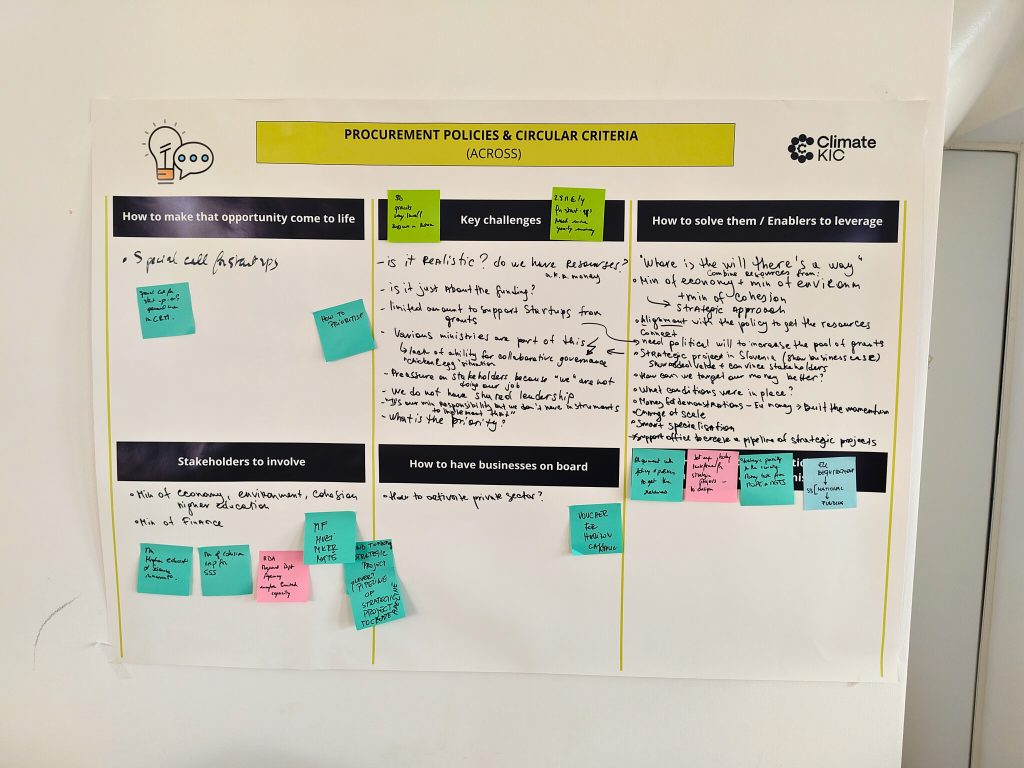
Beyond celebrating the past, the event was also an opportunity to design the future of circularity in Slovenia, and participants engaged in a discussion on procurement policies focusing on how they can act as powerful levers for accelerating circularity in Slovenia. Here are some of the takeaways:
- A dedicated focus on start-ups was suggested, with the idea of creating special calls for start-ups working on critical raw materials and circular solutions.
- While fragmented funding and governance remain challenges
- Strategic alignment with the Smart Specialisation Strategy, strong cross-ministerial coordination, smart use of EU instruments, clear signals to businesses, and a culture of learning from demonstration projects were highlighted as key enablers to unlock momentum.